
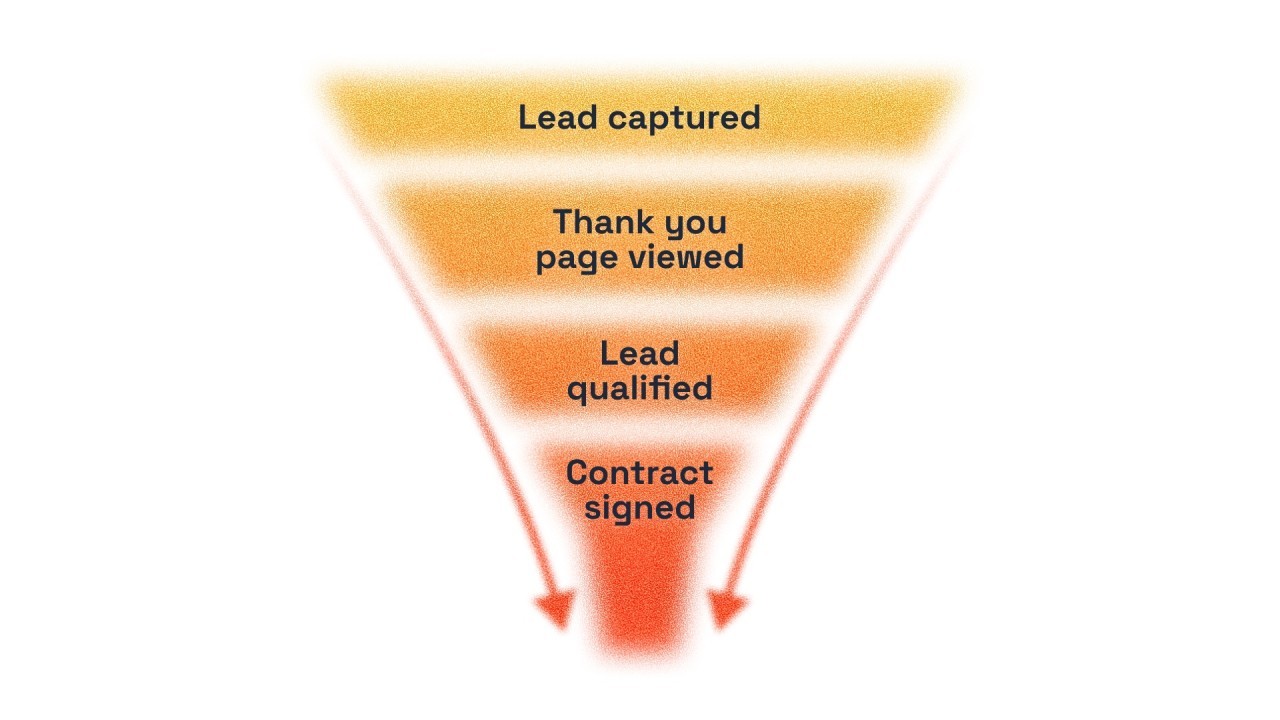
In lead generation businesses, not every action within the funnel carries the same value. Yet many Google Ads campaigns still treat all leads equally, missing the opportunity to optimize for the prospects that truly drive revenue.
Most lead generation advertisers track multiple conversion actions - form submissions, thank you page visits, booked consultations, and even qualified leads. However, they often either assign no specific value to each event or treat all events the same, limiting Google’s ability to optimize bidding effectively.
If you want to truly maximize your lead quality and return on ad spend (ROAS), assigning dynamic conversion values is no longer optional - it’s essential.
The Problem with Equal Conversion Values
Many lead generation campaigns track multiple actions - such as a basic form submission or a booked consultation with qualifying questions - but either assign no specific conversion value to each event or treat them all the same.
When all actions in the funnel are valued equally, Google Ads lacks the right signals to prioritize the prospects that matter most. While every step of the funnel is important - from initial interest to final qualification - actions occurring deeper in the funnel typically carry greater business value. Additionally, certain qualifying actions, like answering high-intent questions or booking a consultation, can further indicate stronger intent and should be weighted more heavily.
Without properly differentiated conversion values, you risk training Google’s algorithms to optimize for sheer volume rather than meaningful outcomes - leading to lower-quality leads, higher acquisition costs, and ultimately, weaker campaign performance in competitive lead generation markets.
Introducing Dynamic Conversion Values
With Dynamic Conversion Values, you can assign different monetary weights to different conversion actions based on their true business value - helping Google Ads bid more intelligently throughout your lead funnel.
For example:
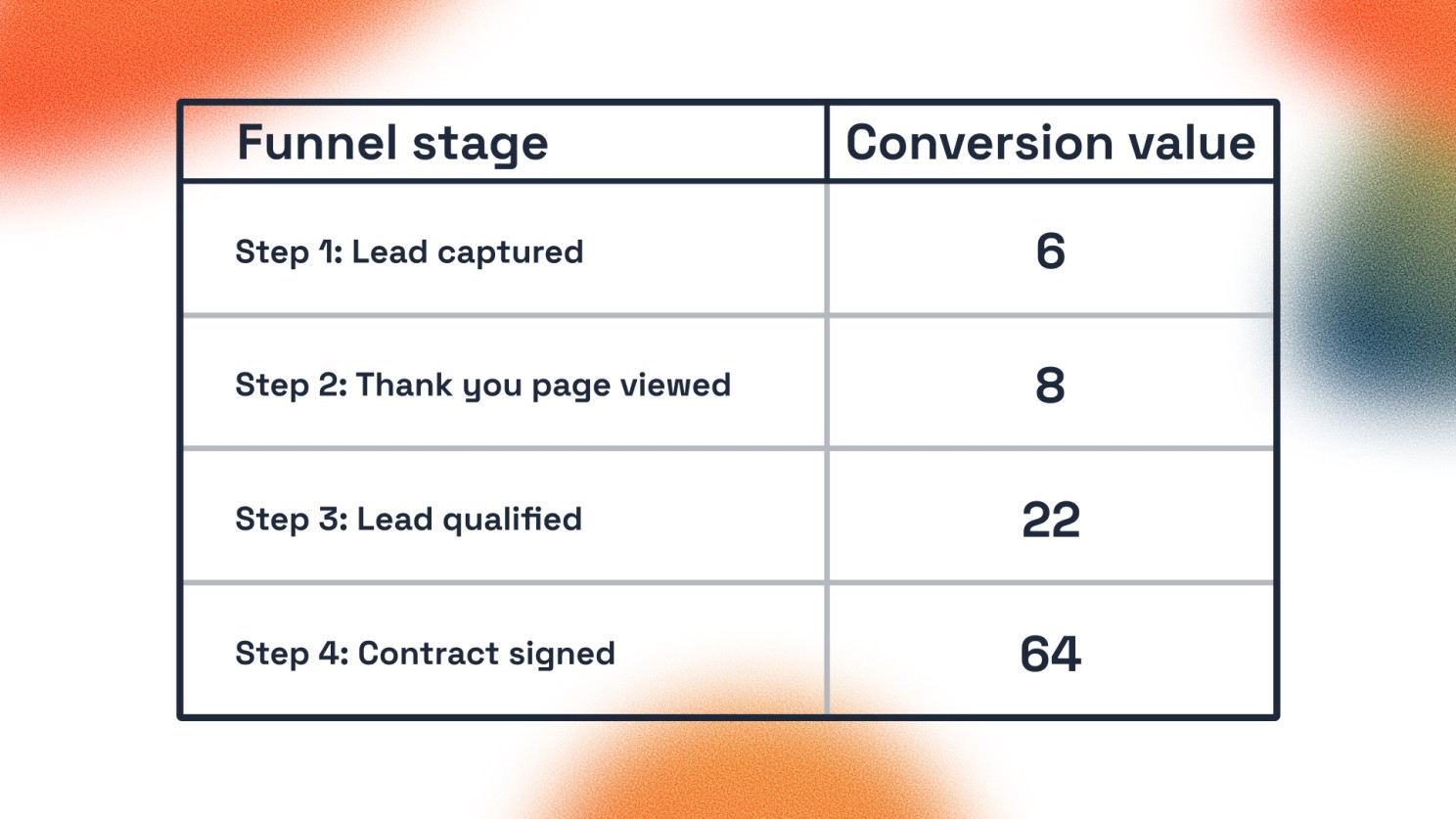
Each event in the funnel is weighted to reflect its relative impact, guiding Google's algorithms to prioritize higher-value conversions - not just the most frequent ones.
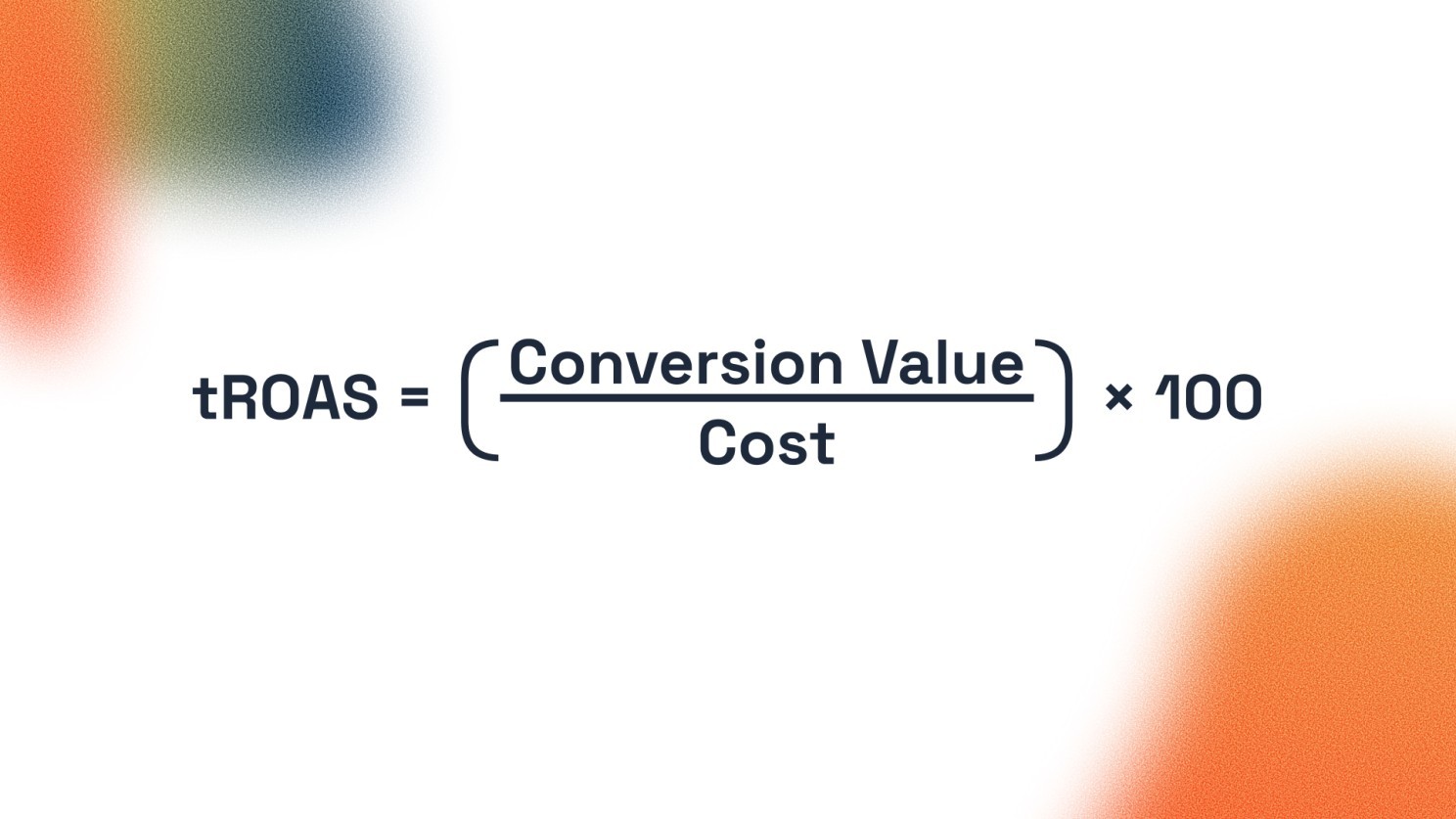
These values feed directly into the Google Ads Target ROAS (tROAS) bidding formula:
Currency Matters: Matching your account currency
It's important to note that all conversion values should match the default currency of your Google Ads account. For example, if your account is set to EUR, your values must be sent in EUR.
If you send a value in a different currency - say, 100 AED - Google will automatically convert it to your account currency at the time of processing (e.g., 24 EUR), which could skew your tROAS calculations and lead to unintended optimization behavior.
Best practice: Always send conversion values in the same currency as your Google Ads account. There's no need to specify the currency parameter unless you're intentionally working with multiple currencies.
How to Refine Values Using Historical Data
If you have access to historical lead data, you can fine-tune your dynamic conversion values based on actual conversion patterns — making your bidding strategy even more precise.
For example, if your lead form includes qualifying questions, you can assign higher conversion values to responses that historically correlate with stronger purchase intent.
Example: B2B SaaS — Lead Qualification Question
“How many team members will use the product?”
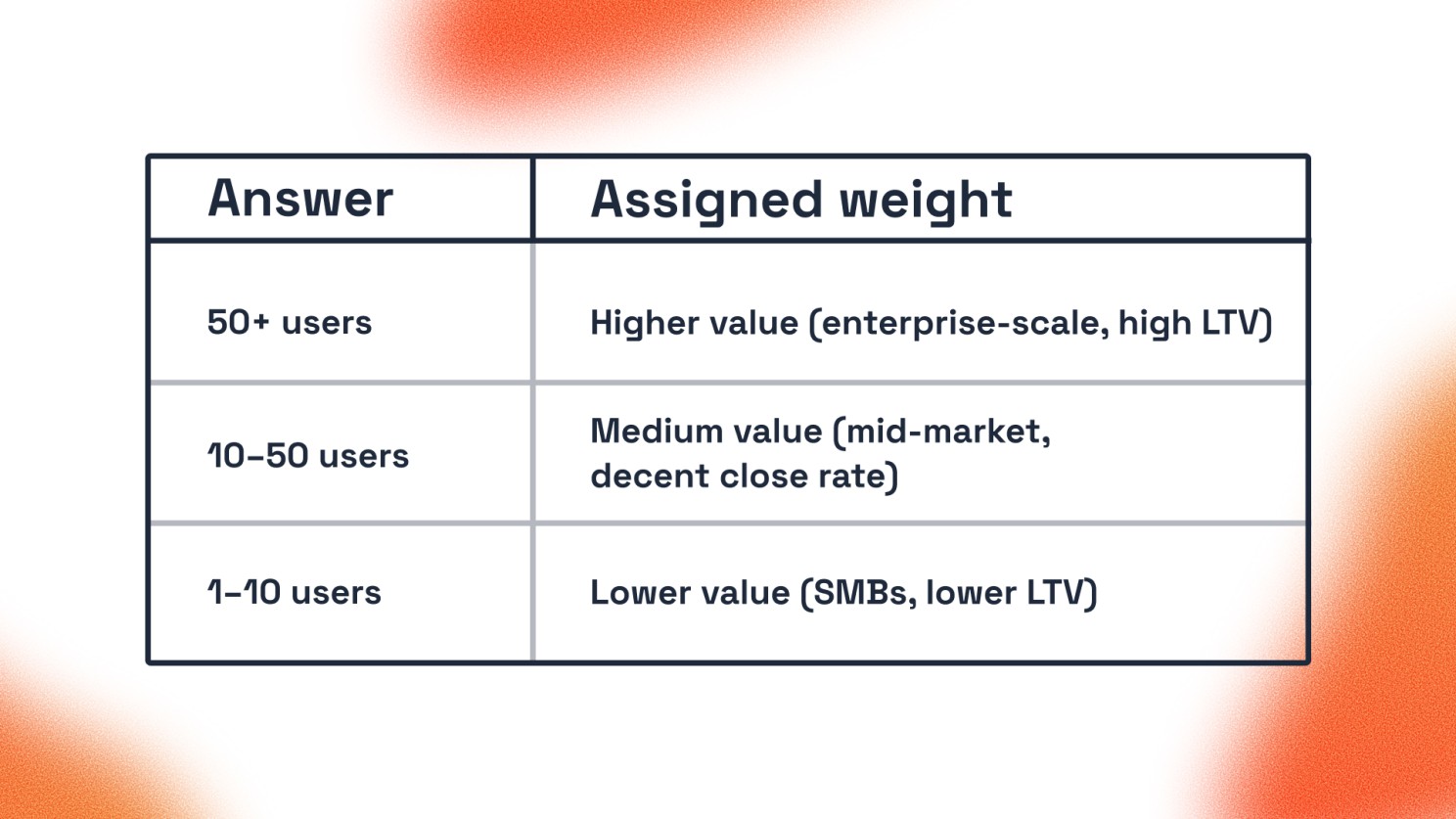
By analyzing your CRM data to see which responses lead to actual sales-and how much those customers are worth-you can build a data-driven value model that reflects real business outcomes.
This approach ensures that even top-of-funnel conversions are scored based on expected revenue potential, allowing you to focus your budget on the highest-value opportunities-not just the easiest ones to acquire.
Optimizing Phone Call Conversions
Phone call conversions often signal high intent, but tracking just call duration doesn’t tell the full story.
To properly capture call quality:
Record the GCLID (Google Click ID) when someone clicks your ad.
Match the GCLID to the phone call event.
After the call, assess the quality — was the caller qualified?
Upload the result using Offline Conversion Import with the appropriate value attached.
This post-call feedback loop helps Google prioritize not just any call, but calls that actually drive your business goals.
Choose the Right Bidding Strategy: Maximize Conversion Value or Target ROAS
Once you assign dynamic conversion values, it’s important to pair them with the right bidding strategy.
✅ Use Maximize Conversion Value or Target ROAS (tROAS) bidding.
🚫 Avoid Maximize Conversions or Target CPA (tCPA) strategies, which only focus on quantity, not value.
By using value-based bidding, you ensure Google Ads is optimizing towards what really matters: high-quality, high-value leads — not just lead volume.
Real-World Example: Assigning Funnel Values
Let’s say your lead funnel generated the following conversion counts over the last 30 days:
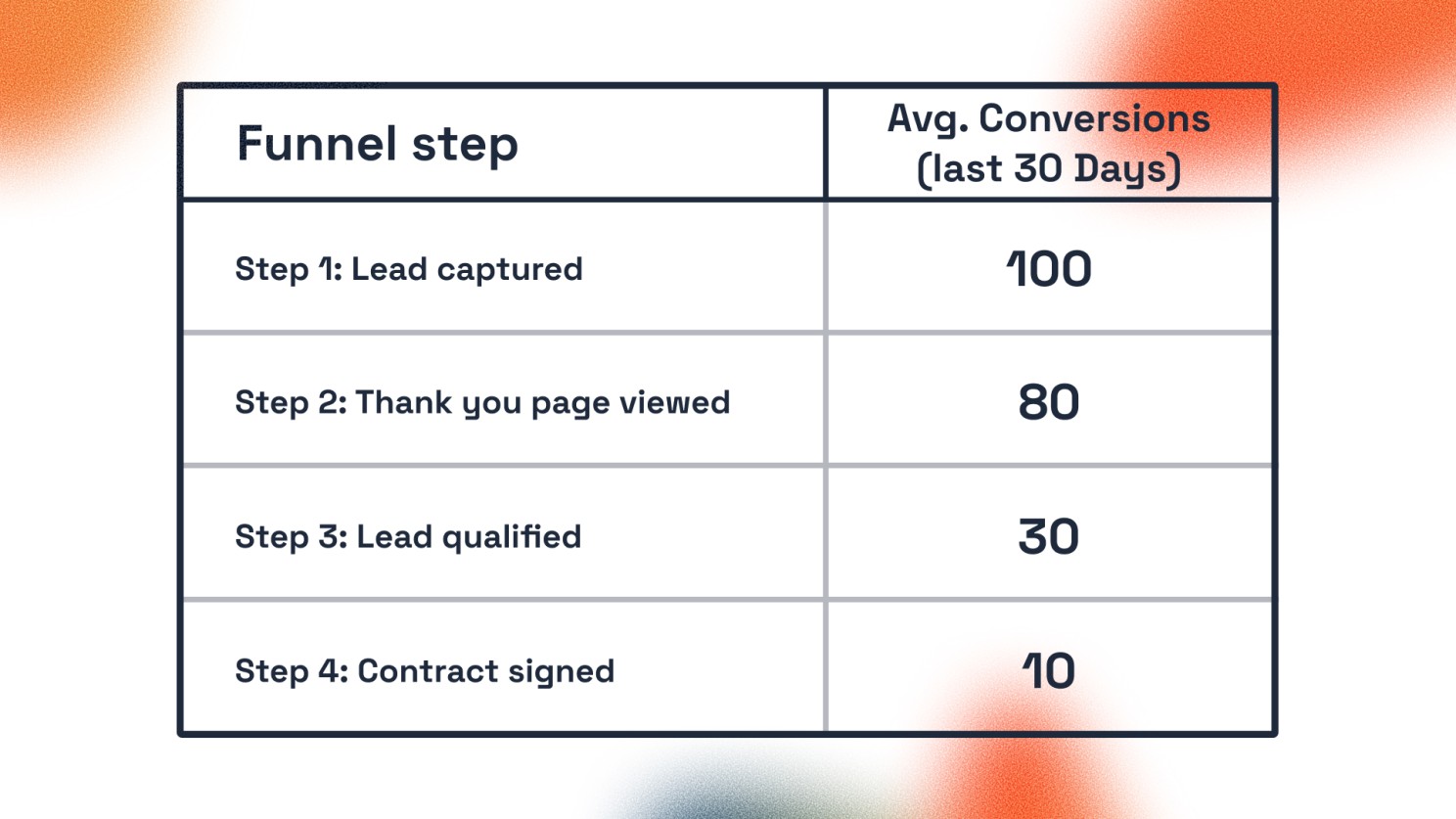
To reflect the relative importance of each step, you can assign dynamic conversion values using a normalized inverted weight formula, which gives more value to rarer, higher-quality actions.
How the formula works:
We calculate the value for each event using the following formula:
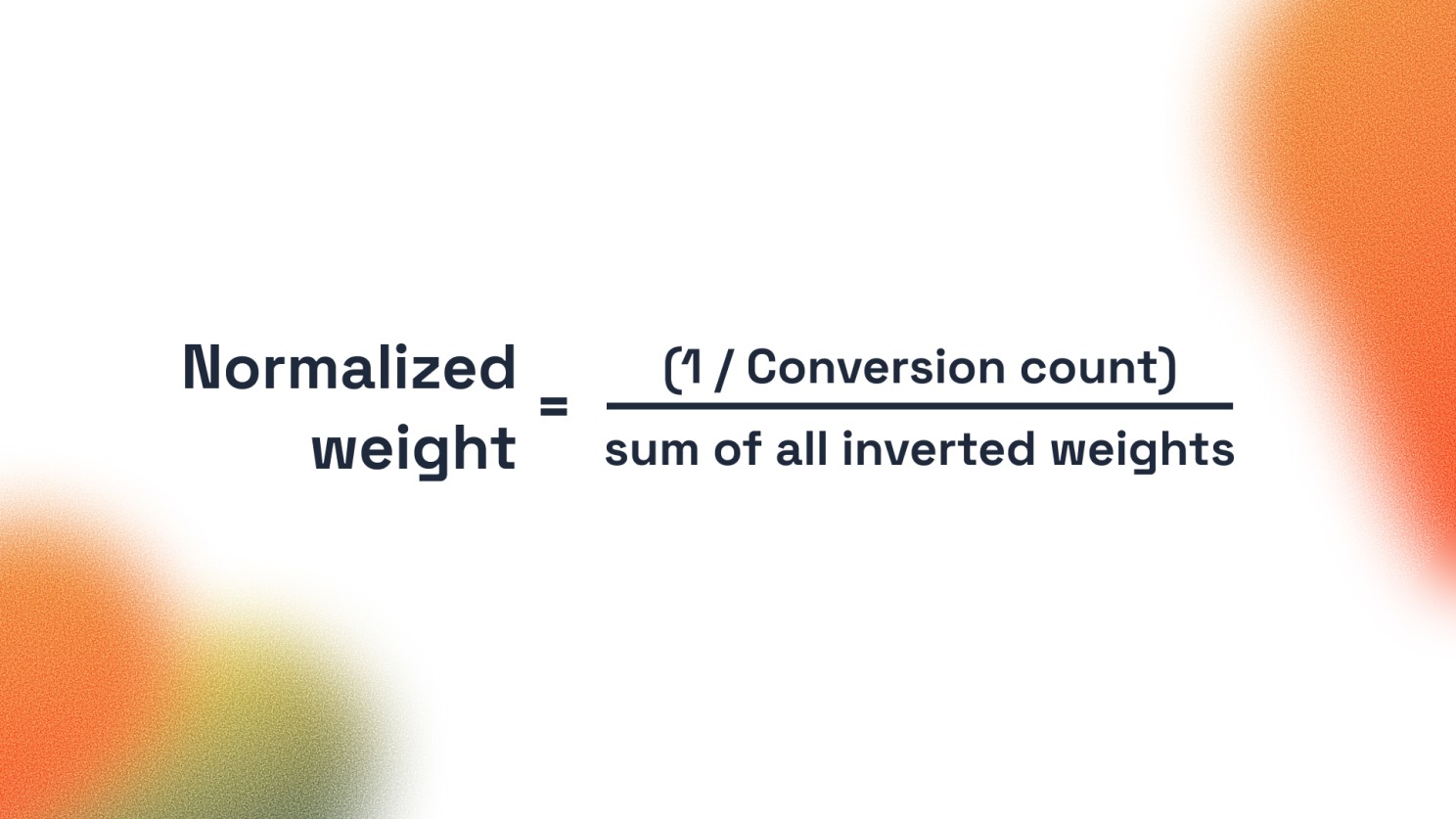
Where:
Step 1: (1/100) = 0.01
Step 2: (1/80) = 0.0125
Step 3: (1/30) = 0.0333
Step 4: (1/10) = 0.1
Sum of inverted weights = 0.01 + 0.0125 + 0.0333 + 0.1 = 0.1558
Now normalize each:
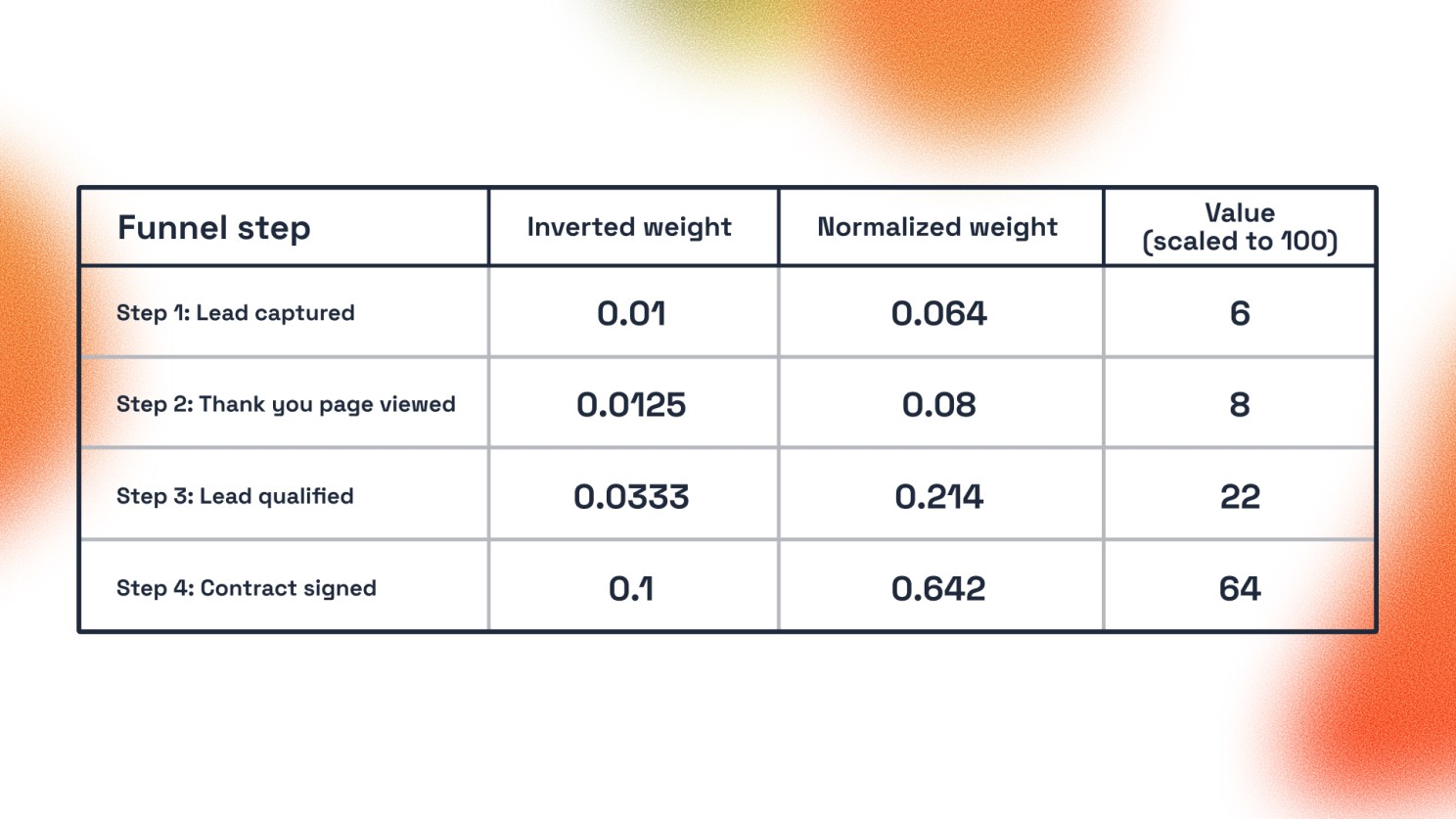
These values total 100, which makes them easy to interpret, report on, and use in tROAS calculations.
With this structure in place, Google’s optimization engine learns to:
Prioritize later-stage, higher-value actions; and
Still gain learning signals from earlier steps in the funnel.
This model ensures your budget is optimized for quality rather than quantity, while providing Google with richer data at every stage of the customer journey.
Conclusion: Make Every Lead Count
Lead generation isn’t just about collecting the most form submissions; it's about attracting valuable, qualified prospects who are most likely to generate revenue.
By implementing dynamic conversion values, leveraging qualifying signals, and shifting to value-based bidding, you give Google Ads the data it needs to prioritize quality over quantity, dramatically improving lead quality, efficiency and overall campaign profitability.
Key takeaways:
Assign higher values to funnel events that indicate stronger intent (e.g. qualified leads vs. form fills).
Use conversion value-based bidding strategies such as Target ROAS, not just tCPA.
Send values in your account’s currency to avoid data mismatches.
Use historical data and qualifying questions to refine values based on actual conversion performance.
Need help setting this up for your own campaigns?
We help businesses identify wasted spend, restructure campaigns, and optimize bidding logic, whether you use Smart Bidding, manual strategies, or custom models.